
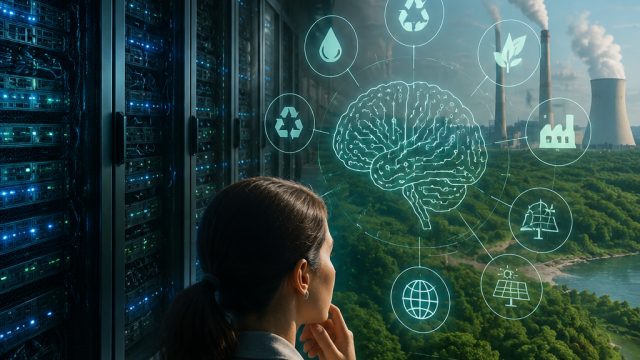
The rapid advancement of artificial intelligence (AI) is reshaping industries and revolutionizing processes. However, with its growing influence comes an urgent need to address a critical question: how does AI affect our environment? As we embrace these technological innovations, understanding their ecological footprint is essential, especially in the face of escalating climate change challenges.
The Energy Demand of AI Technologies
AI systems, particularly machine learning models, require substantial computational power. This necessity translates into increased energy consumption, raising concerns about the environmental implications. Data centers operating these technologies often rely on fossil fuels, contributing to carbon emissions and climate change.
Power Consumption Trends
- High-performance computing systems consume significantly more energy than traditional systems.
- AI training processes can require hundreds of kilowatt-hours, equivalent to the average energy use of several households.
- Continued growth in AI adoption is expected to lead to an exponential increase in energy needs.
Environmental Effects of AI Deployment
The environmental concerns associated with AI are not just about energy. The manufacturing and maintenance of AI infrastructure also have ecological implications. From the extraction of minerals for hardware to the e-waste generated at the end of its lifecycle, the impact stretches beyond mere power consumption.
Lifecycle Analysis of AI Hardware
- Extraction of rare earth metals for chips and processors can lead to habitat destruction and pollution.
- Disposal of outdated technologies contributes to the growing e-waste crisis, often ending up in landfills where toxic substances can leach into the ground.
- Efforts to recycle and repurpose AI hardware are often insufficient to keep pace with the rapid obsolescence of technology.
Addressing the Environmental Challenge
As AI continues to evolve, so too must our strategies to mitigate its environmental impact. Here are several approaches being implemented or proposed to address these concerns:
Innovative Solutions for Sustainability
- Green Computing: Developing energy-efficient algorithms and optimizing model training to reduce power requirements.
- Renewable Energy Sources: Transitioning data centers to renewable energy sources such as solar, wind, and hydroelectric power.
- Circular Economy Practices: Encouraging recycling and responsible disposal of obsolete technology to minimize e-waste.
The Importance of Awareness
As consumers and businesses increasingly rely on AI technologies, it’s vital to remain informed about the environmental consequences. Advocating for transparency and accountability in AI development can lead to more sustainable practices across industries.
Fostering Responsible AI Use
- Encouraging companies to disclose their energy consumption and carbon footprint.
- Promoting the importance of environmentally-friendly technology investments.
- Supporting policies that incentivize the use of renewable energy in AI operations.
Conclusion: A Call to Action
The intersection of AI and environmental sustainability presents both challenges and opportunities. As we stand on the brink of an AI-driven future, it is crucial to prioritize strategies that mitigate environmental damage while harnessing the benefits of this transformative technology. Awareness, responsible practices, and technological innovation will be pivotal in ensuring that AI contributes positively to our planet's future rather than exacerbating existing crises. By taking action today, we can pave the way for a sustainable tomorrow.