
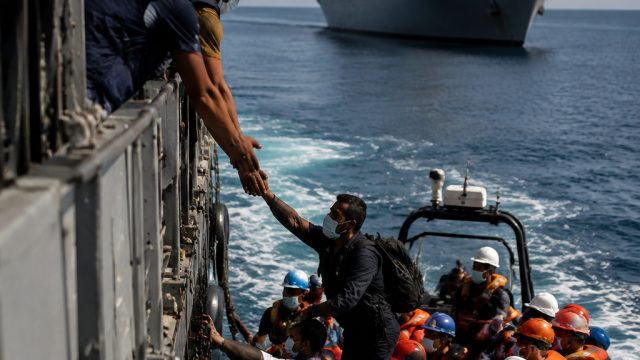
In a significant development, the United Nations has announced plans to evacuate approximately 11,000 sailors stranded in the tumultuous waters of the Strait of Hormuz. This critical maritime evacuation comes amid increasing tensions in the region, which have led to rising concerns about maritime security and global shipping disruptions.
The Context of the Evacuation
The evacuation of sailors marks a pivotal moment in a long-standing crisis in the Strait of Hormuz, a vital corridor for global oil trade and maritime navigation. The UN's decision follows months of gridlock, where diplomatic efforts to ensure safe passage through the waters have repeatedly stalled. The urgency of this operation is underscored by the ongoing geopolitical tensions between the US and Iran, which have significantly impacted maritime activities in the region.
Stranded Sailors and Their Plight
- Over 11,000 sailors from various countries are currently unable to leave the strained waters.
- Many have faced dire conditions on board their vessels due to supply shortages and uncertainties.
The UN's initiative aims to provide immediate relief to these sailors, ensuring their safety and well-being. The organization has coordinated with maritime authorities and shipping companies to facilitate a structured evacuation process.
Geopolitical Implications
The decision to initiate this evacuation highlights the broader implications of the ongoing conflict and strained relations between the United States and Iran. As tensions continue to escalate, the safety of maritime routes has become a crucial focus for global shipping and trade.
Key Factors Driving the Crisis
- Increased Military Presence: The US has bolstered its naval presence in the region, heightening the risk of confrontations.
- Iran's Response: Iran's actions in response to US sanctions and military maneuvers have contributed to instability.
These factors not only threaten the safety of sailors but also the stability of global oil markets. With a significant portion of the world's oil supply passing through the Strait, any disruptions can have far-reaching economic consequences.
Repercussions for Global Shipping
The ongoing crisis and the UN's evacuation plans are set against a backdrop of increasing shipping costs and route alterations. As maritime operators reassess their strategies, the implications for international trade and shipping logistics are becoming evident.
Potential Outcomes
- Shipping Delays: The evacuation may lead to extended delays in shipping schedules as vessels reroute or anchor.
- Increased Costs: Rising insurance premiums for vessels traversing the region may lead to higher costs for consumers globally.
Maritime security experts warn that the continued instability in the Strait of Hormuz could discourage shipping lines from using this critical route, potentially leading to a reconfiguration of global shipping patterns.
Conclusion: A Call for Action
The UN's decision to evacuate stranded sailors from the Strait of Hormuz underscores the urgent need for diplomatic resolutions to the ongoing crisis. As the world watches closely, the need for enhanced maritime security measures and international collaboration becomes increasingly clear. The implications of this situation extend beyond the immediate safety of sailors, affecting global trade and economic stability. It is imperative for governments and maritime organizations to work together to ensure the safety of this vital shipping lane.
Industry Partner Network