
Key Takeaways
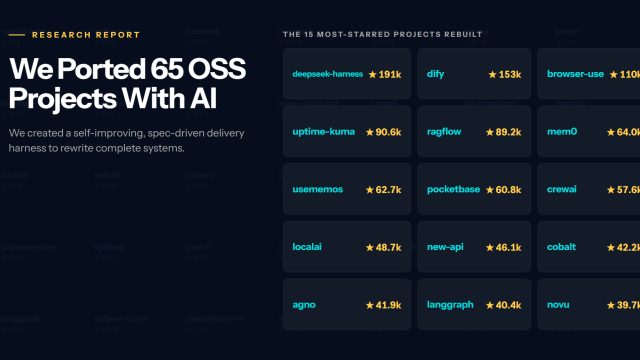
- AI is being used to port 65 open source software projects effectively.
- This innovation enhances collaboration among developers and users.
- Portability is crucial for software deployment across various Operating Systems.
- Indonesia's tech scene is embracing AI advancements in software development.
- Open source projects benefit from increased accessibility and improved functionality.
The Current Landscape of AI in Software Development
The intersection of artificial intelligence and open source software development is reshaping how developers approach project portability. As the technology matures, its role in streamlining processes and enhancing functionality is becoming increasingly evident. In Southeast Asia, particularly in Indonesia's growing tech hubs like Jakarta and Surabaya, the integration of AI into software projects is not just a trend; it's a necessity for staying competitive in a fast-evolving digital landscape.
Why Portability Matters Now More Than Ever
Software portability refers to the ability of a software application to run on different computing environments without requiring significant modifications. This aspect is paramount as businesses and developers aim to reach broader audiences through varied platforms. With the growing demand for mobile and cross-platform applications, the ability to port software seamlessly can make or break a project's success.
Recent advancements demonstrated that numerous open source projects have been successfully ported using AI techniques. For instance, the implementation of machine learning algorithms assists in identifying code patterns and dependencies, which can otherwise be labor-intensive to analyze manually. This efficiency not only accelerates the development cycle but also allows for real-time updates and bug fixes to be deployed across multiple platforms.
Recent Success Stories in Open Source Porting
One of the most noteworthy examples of AI's impact on open source software is the porting of 65 distinct projects, showcasing both technical prowess and the collaborative spirit of the community. These projects, ranging from simple applications to more complex systems, highlight how AI can facilitate smoother transitions and improve overall product effectiveness.
Some of the key projects include:
- Enhanced support for popular programming languages, allowing for better interoperability.
- Refinement of user interfaces to ensure consistency across platforms, improving user experience.
- Optimization of resource management, which reduces the computational overhead associated with running applications on varied systems.
For developers in Southeast Asia, engaging with these advancements means gaining access to tools and methodologies that can significantly improve their productivity. The rise of open source contributions in the Indonesian market reflects a shift toward collaborative development practices, with local developers increasingly leveraging AI for enhanced software solutions.
Looking Ahead: The Future of AI in Open Source Software
The implications of AI in open source software development extend beyond immediate project success. As more developers adopt these technologies, we can expect a ripple effect of innovation across industries.
Moreover, the role of community-driven efforts in open source projects highlights the importance of collaboration, particularly in regions like Indonesia. As local talent continues to grow, the potential for ASEAN countries to lead in AI-enhanced software solutions becomes more tangible.
In conclusion, the integration of AI into open source software porting is not only transformative but essential for the future of software development. As we witness this evolution, staying informed and adaptable will be key for developers aiming to harness the full potential of their projects.
Conclusion
As AI technologies continue to evolve, their impact on open source software porting cannot be overstated. The combination of collaboration, efficiency, and innovation characterizes the future landscape of software development, with opportunities for growth and advancement in regions like Southeast Asia. Embracing these changes will enable developers to create more robust, versatile applications, ultimately enriching the user experience across platforms.