
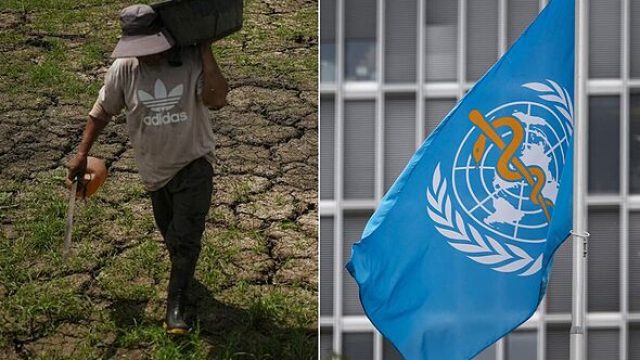
Key Takeaways
- UN announces a stronger El Niño this year, impacting weather systems.
- Regions like Indonesia may face heightened drought risks.
- July 2023 marked the hottest month recorded in U.S. history.
- Global agricultural production is under threat due to changing weather patterns.
- Coastal areas must prepare for potential flooding and extreme weather events.
The Rising Threat of El Niño
As 2023 progresses, the world is grappling with climate challenges, and the latest reports from the United Nations highlight a significant concern: a stronger El Niño is emerging. This climatic phenomenon, characterized by warmer ocean temperatures, is expected to trigger unprecedented weather patterns worldwide. The implications are particularly severe for countries in Southeast Asia, including Indonesia, where both heat and drought could disrupt lives and economies.
Impacts on Weather Patterns
The El Niño effect is known for altering traditional weather patterns. With forecasts indicating a prolonged period of extreme temperatures, regions such as Jakarta, Surabaya, and Bali are bracing for adverse conditions. The UN’s warning also aligns with observable trends; July 2023 was recorded as the hottest month in U.S. history, exemplifying the urgent need for climate action.
Drought Risks in Southeast Asia
In countries like Indonesia, the threat of drought becomes increasingly pressing. These extreme weather conditions not only strain water resources but also jeopardize food security. Agricultural sectors may suffer devastating losses if adequate rainfall does not occur. With the Indonesian market relying heavily on agriculture, the potential for crop failures could have widespread economic repercussions.
Challenges for Coastal Communities
In addition to drought, coastal communities in Southeast Asia must prepare for the possibility of flooding and rising sea levels. The interplay between El Niño and other climate factors may intensify storms, leading to severe weather events that threaten infrastructure and livelihoods. Regions such as Bali, known for their tourism, could face significant disruptions, impacting local economies and employment.
Global Response and Preparedness
In light of these warnings, it is crucial for governments and organizations to proactively address the challenges posed by El Niño. Initiatives aimed at improving water management, enhancing agricultural resilience, and investing in disaster preparedness are essential. The ASEAN community, particularly, must collaborate to devise strategies that mitigate the impacts of extreme weather.
Community Awareness and Action
Public awareness campaigns can play a pivotal role in preparing communities. Educating individuals on water conservation, emergency protocols, and sustainable practices will empower local populations to adapt to changing conditions. Stakeholders must prioritize building resilience to safeguard livelihoods and environmental health in the face of this looming climate crisis.
Conclusion
The UN's alert regarding a stronger El Niño serves as a wake-up call for nations to reinforce their climate action plans. As regions like Southeast Asia brace for the daunting prospect of extreme heat and drought, a unified approach will be critical. By recognizing the implications of this phenomenon now, we can work towards building a more resilient future in the face of climate change.