
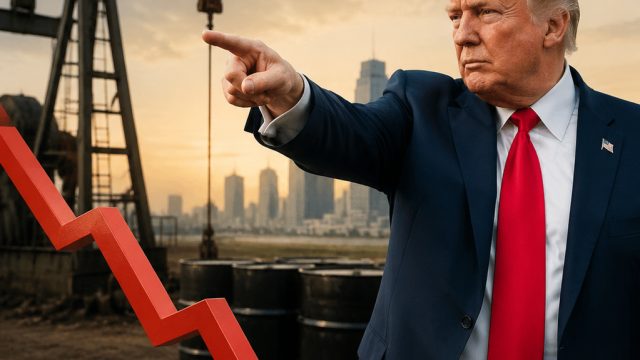
Recent developments in the energy sector have drawn significant attention as former President Donald Trump alleges that oil companies are engaging in price gouging during a period of fluctuating oil prices. With the global market experiencing a downturn, the implications of these accusations could reverberate throughout the economy, influencing consumer behavior and regulatory scrutiny.
The Current State of Oil Prices
As of today, oil prices have continued their downward trend, raising concerns among consumers who are already feeling the pinch at the pump. The recent allegations by Trump are not merely political rhetoric; they highlight a broader issue of market manipulation and consumer protection that is increasingly relevant in today's economic climate.
What Are the Factors Influencing Oil Prices?
- Global Supply and Demand: Oil prices are heavily influenced by the balance of supply and demand in the global market. Recent geopolitical tensions and changes in production rates from major oil-producing nations have contributed to current pricing fluctuations.
- Regulatory Changes: New regulations and environmental policies can affect oil production costs, which, in turn, impact prices at the consumer level.
- Market Speculation: Investors' perceptions about future oil availability can lead to price changes, often driven by news events or economic forecasts.
Trump's Call for Investigation
In his recent statements, Trump is calling for a probe into the practices of oil companies, suggesting that their pricing strategies may not align with fair market practices. This development is significant because it opens the door for potential regulatory action by the Justice Department, which could lead to a reassessment of how oil prices are set.
Implications for Consumers
The impact of these allegations on everyday consumers cannot be overstated. Rising fuel prices directly affect not only transportation costs but also the prices of goods and services across various sectors. With inflation already placing pressure on household budgets, any increase in gasoline prices can exacerbate financial strain.
The Broader Economic Landscape
As the debate over oil pricing continues, it's important to consider the broader economic implications. For instance, small businesses that rely on transportation may see their operating costs rise, potentially leading to increased prices for consumers. This situation creates a cyclical effect that can stifle economic growth.
Potential Outcomes of the Investigation
- Increased Oversight: If the investigation uncovers wrongdoing, it could lead to stricter regulations on pricing practices within the oil industry.
- Market Reforms: A push for transparency in oil pricing could emerge, aimed at protecting consumers from unjust price hikes.
- Impact on Investments: Investor confidence in the oil sector may be shaken, affecting stock prices and future investments in energy companies.
Conclusion: Why This Matters Now
As oil prices continue to fluctuate and the former President's allegations gain traction, the need for transparency and fairness in the energy market has never been more critical. Consumers deserve to understand how prices are determined, and they should feel confident that they are not being taken advantage of during times of economic instability. Monitoring these developments will be essential for both consumers and investors alike, as the outcome of this investigation could shape the future of the oil market and its impact on the economy.