
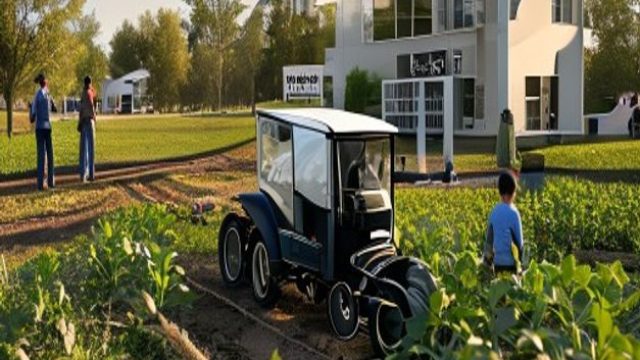
In an exciting blend of education and technology, students from NMS Horitschon are developing an innovative farmbot designed to transform agricultural practices. This project highlights the increasing necessity for sustainable solutions in farming, especially as global food demands rise amid changing climate conditions.
The Role of Robotics in Agriculture
As the agriculture sector grapples with labor shortages and environmental challenges, the integration of robotics has emerged as a promising solution. Autonomous farming technologies, like the farmbot project led by Horitschon students, are being developed to perform essential tasks such as sowing, watering, and maintaining crops with minimal human intervention.
Understanding Farmbots
Farmbots are automatic systems designed to execute various tasks in the agricultural process, significantly enhancing efficiency. Here’s how they work:
- Seed Planting: Farmbots can accurately plant seeds at optimal depths and distances, leading to improved crop yields.
- Watering: By utilizing sensors, these robots can determine soil moisture levels, ensuring that plants receive the right amount of water.
- Pest Management: Some farmbots are being equipped with technologies that identify pests and treat plants accordingly, reducing the need for chemical interventions.
This use of technology not only boosts crop production but also promotes environmental sustainability.
Collaboration with Experts
The success of the farmbot project can be attributed to the collaboration between students and professionals from both the business and educational sectors. This partnership is crucial as it provides students with insights into real-world applications of their work.
Benefits of Industry-Academia Partnerships
Engaging with industry experts offers numerous advantages:
- Real-World Experience: Students gain invaluable practical experience that enhances their learning.
- Networking Opportunities: Collaborations can lead to future career opportunities and internships.
- Access to Resources: Students benefit from access to tools and technologies that may not be available in their educational settings.
This project exemplifies how academia can work hand-in-hand with industry to develop solutions that are not only innovative but also necessary for the future of agriculture.
Why This Matters Now
The timing of this initiative could not be more critical. With the ongoing climate crisis, agriculture faces unprecedented challenges, including water scarcity and soil degradation. Autonomous farming technologies like the one being developed by the NMS Horitschon students provide a proactive approach to mitigating these challenges.
Addressing Global Food Needs
A key reason for the urgency in developing farmbots is the ever-increasing global population, projected to reach 9.7 billion by 2050. To sustain this population, agricultural productivity must increase significantly. Autonomous farming technology can help meet these demands efficiently and sustainably.
Fostering Innovation
Furthermore, projects like these inspire a new generation of innovators who will shape the future of agriculture. By prioritizing education in technology and sustainability, we can equip young minds with the tools needed to tackle future challenges.
Conclusion: The Future of Sustainable Agriculture
The initiative taken by students at NMS Horitschon is a significant step toward integrating robotics into farming practices. As these young innovators develop their farmbot, they not only learn valuable technical skills but also engage in a dialogue about sustainable agricultural practices. With continued support and collaboration from the industry, such projects can pave the way for a more sustainable and efficient agricultural future.