
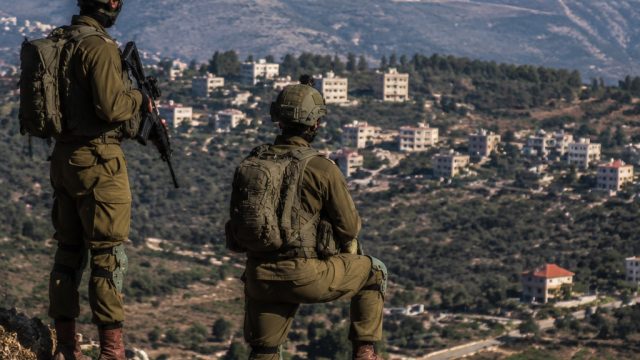
In a significant development that underscores ongoing geopolitical tensions, Israel has firmly rejected calls to withdraw its troops from southern Lebanon. Defense Minister Israel Katz made this declaration during the Muni Expo conference held in Tel Aviv, emphasizing that Israeli forces will remain stationed in the region despite requests from the United States for a reconsideration of this military stance.
The Context Behind Israel's Decision
Israel's military presence in southern Lebanon is rooted in a complex history marked by conflict and security concerns. Following years of hostilities, including the 1982 Lebanon War, Israel has maintained a strategic military foothold in the area, which it perceives as critical for national security. Katz's remarks signal a commitment to this strategy, reflecting Israel's intent to safeguard its borders against potential threats.
Reasons for Persisting Military Presence
- Security Concerns: Israel argues that the ongoing threat from militant groups operating in Lebanon, particularly Hezbollah, justifies its military presence.
- Strategic Positioning: Maintaining ground troops allows Israel to respond swiftly to any incursions or hostilities from northern adversaries.
- Political Messaging: By refusing to withdraw, Israel reinforces its sovereignty and military capability in the face of international pressure.
International Response and Relations
The refusal to withdraw has raised eyebrows among international observers and governments, particularly the United States, a key ally of Israel. Washington has historically advocated for diplomatic solutions to regional conflicts, emphasizing stability and peace.
Potential Consequences of Israel's Stance
- Strained Alliances: As the U.S. pushes for de-escalation, Israel's decision may complicate bilateral relations.
- Increased Tensions in the Region: This move can heighten tensions not only with Lebanon but also with Iran, which supports Hezbollah.
- Impact on Local Populations: The ongoing military presence affects civilian communities in southern Lebanon, potentially leading to humanitarian concerns.
Looking Ahead: Implications for Regional Stability
The implications of Israel's military strategy in southern Lebanon go beyond immediate security concerns. As tensions in the Middle East remain fraught, the situation warrants careful monitoring. The current geopolitical landscape is characterized by uncertainty, making Israel's military posture a focal point for future developments.
Why This Matters Now
Understanding Israel’s decision to maintain its troop presence is crucial in light of evolving regional dynamics. The broader implications for international security, alliances, and the humanitarian situation in Lebanon cannot be overlooked. As diplomatic dialogues continue, the necessity for a balanced approach that addresses security while promoting peace is more urgent than ever.
Conclusion
Israel's steadfast refusal to withdraw its troops from southern Lebanon not only underscores its security priorities but also highlights the complex interplay of military and diplomatic strategies in the region. As global observers watch closely, the developments in this area will have lasting repercussions for both Israel and its neighbors, making it crucial for stakeholders to engage in constructive dialogue aimed at fostering stability and peace.