
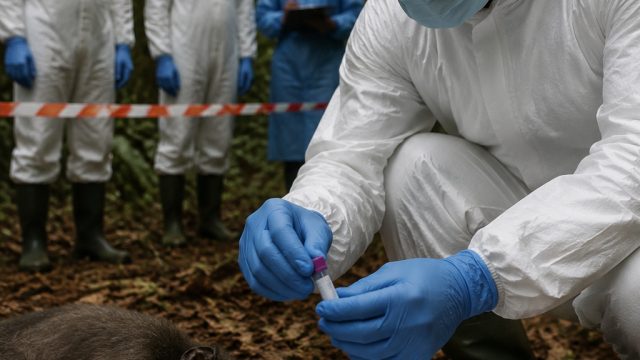
The recent surge in Ebola cases has reignited discussions surrounding the origins of this deadly virus. As global health experts scramble to contain the outbreak, understanding the roots of Ebola has never been more urgent. This pivotal moment in viral research not only impacts current public health strategies but also shapes future preparedness for similar outbreaks.
The Historical Context of Ebola
Ebola was first identified in 1976, but its emergence remains a complex narrative interwoven with ecological and social factors. Historically, outbreaks have been tied to zoonotic transmission — where diseases jump from animals to humans. Fruit bats are often cited as potential carriers of the virus, but the exact pathways remain unclear.
Significant Outbreaks and Their Implications
- The 2014-2016 West Africa outbreak led to over 11,000 deaths and marked a turning point in global health policy.
- Recent outbreaks in the Democratic Republic of Congo showcased the virus’s ability to resurface unexpectedly, raising alarms among health officials.
- Each outbreak provides crucial data that informs research and response strategies worldwide.
Current Investigations: Where Did Ebola Come From?
This latest outbreak has scientists scrambling to trace its origins. Investigations focus on various potential sources, particularly wildlife and human interactions. Understanding how the virus is transmitted is critical for developing effective intervention strategies.
Emphasizing Surveillance and Research
Robust surveillance systems are essential in identifying outbreaks early. Increased research funding is necessary to explore the following:
- Potential animal reservoirs that may be undetected.
- Human behaviors that could facilitate virus transmission.
- The role of environmental factors in spreading the virus.
The Importance of Global Collaboration
Addressing the origins of Ebola requires a collaborative effort across nations. As researchers and health officials share data and insights, the global community can enhance its response mechanisms. The recent emergence of new strains underscores the need for:
Strategies for Effective Response
- Investment in vaccine research to counter potential outbreaks.
- Development of treatments that can be rapidly deployed during emergencies.
- International partnerships aimed at improving health infrastructure in high-risk areas.
We need a proactive approach to tackle future threats from Ebola and similar viruses.
Public Awareness and Education
Informed communities are better equipped to handle outbreaks. Public health campaigns that educate about Ebola’s transmission and prevention techniques can significantly reduce the risk of infection. Some key areas to focus on include:
- Understanding symptoms related to Ebola and when to seek medical help.
- Promoting hygiene practices to prevent disease spread.
- Encouraging communities to report unusual illnesses promptly.
Conclusion: Why Understanding Ebola Matters Now
As the world grapples with the implications of the latest Ebola outbreak, understanding the virus's origins is not just a scientific endeavor; it is a matter of public health. Ensuring that we learn from past outbreaks can better prepare us for future challenges. The time is now to rally global support for research, surveillance, and education, emphasizing the lessons learned from Ebola to safeguard our communities against potential epidemics.