
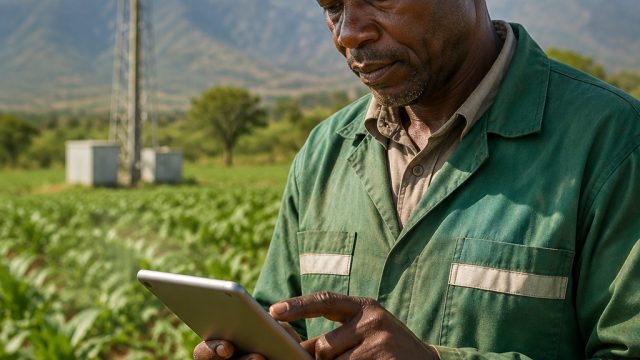
The agricultural sector in Kenya, a vital pillar of the economy, is grappling with significant challenges stemming from technological lag. Experts are highlighting the urgent need to address this digital divide to enhance efficiency and productivity within the supply chain. As the world evolves rapidly towards digitization, industries including agriculture must not fall behind, risking their competitiveness and sustainability.
The Current Landscape of Agriculture in Kenya
Kenya's agriculture sector is predominantly reliant on traditional practices, which can limit scalability and efficiency. This reliance on outdated methods can hinder productivity levels, making it difficult for farmers to compete both locally and internationally. The lack of technological integration into farming practices is not just a barrier to growth; it poses a significant risk to food security and economic stability.
Challenges Faced by Farmers
- Limited access to modern farming tools and techniques
- Inadequate information on market trends and pricing
- Struggles in supply chain management and logistics
- Difficulty in accessing financial services and credit
The Importance of Digital Transformation
The integration of technology in agriculture can significantly transform the sector. Digital tools can enhance productivity, improve supply chain management, and provide farmers with critical data for informed decision-making. As the global agricultural landscape shifts towards a more data-driven approach, it is essential for Kenyan farmers to embrace digital solutions.
Potential Benefits of Technology Adoption
- Increased Productivity: Smart farming techniques can lead to higher yields through precision agriculture.
- Better Market Access: Digital platforms can connect farmers directly with consumers, reducing reliance on intermediaries.
- Enhanced Supply Chain Management: Technology can streamline logistics and reduce waste, ensuring that produce reaches markets efficiently.
- Financial Inclusion: Digital financial services can offer farmers better access to credit and insurance options.
Initiatives to Bridge the Gap
Recognizing the critical need for modernization, various initiatives are emerging to bridge the digital divide in Kenya's agriculture sector. Government bodies, non-profits, and private companies are collaborating to create programs aimed at training farmers and providing access to digital tools.
Examples of Ongoing Efforts
- Training Programs: Workshops that teach digital literacy and the use of technology in farming.
- Subsidized Access to Technology: Initiatives aimed at reducing costs for farmers to obtain necessary tools.
- Partnerships with Tech Companies: Collaborations that aim to bring innovative solutions directly to the farming community.
Conclusion: A Call to Action for Stakeholders
The time is now for stakeholders in Kenya's agricultural sector to take decisive action towards bridging the digital divide. By prioritizing technology adoption and supporting farmers in this transition, we can ensure a more sustainable and prosperous future for agriculture in Kenya. The journey ahead requires collaboration, commitment, and a shared vision for progress. Embracing digital transformation is not merely an option; it is a necessity for survival in an increasingly competitive global market.