
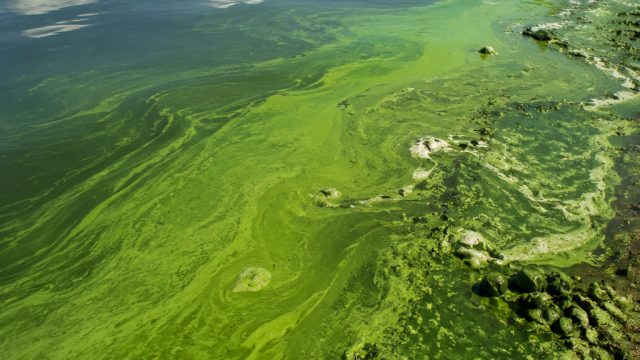
Recent discussions surrounding the Reflecting Pool have shed light on a much larger issue affecting ecosystems globally: the alarming rise of algae blooms. As regional bodies of water become increasingly plagued by excess nutrients, the implications extend far beyond aesthetics, posing significant risks to both environmental and public health.
The Algae Bloom Phenomenon: What You Need to Know
Algae blooms occur when environmental conditions, such as excess nitrogen and phosphorus from fertilizers, stimulate rapid growth of algae in water bodies. These blooms can produce harmful toxins and deplete oxygen levels in water, affecting aquatic life and human health. It's crucial to understand that this isn't merely a localized issue; rather, it indicates a broader environmental crisis that has been escalating in recent years.
Why Algae Blooms Are Increasing
- Climate Change: Rising temperatures can enhance the conditions conducive to algae growth, making blooms more frequent and severe.
- Agricultural Runoff: Fertilizers and pesticides used in agriculture often wash into rivers and lakes, introducing harmful nutrients that fuel algae proliferation.
- Urban Development: Increased impervious surfaces in urban areas lead to higher runoff and nutrient loading in local waterways.
The Impact on Ecosystems and Communities
While the immediate effects of algae blooms can be seen in discolored and odorous water bodies, the ramifications are more profound. These blooms can lead to:
Health Risks
Exposure to toxic algae can result in serious health issues for humans and animals alike. Symptoms may range from skin irritation to severe respiratory problems. Communities relying on affected water sources for drinking, recreational activities, or fishing are particularly at risk.
Ecological Consequences
Algae blooms disrupt local ecosystems by:
- Depleting oxygen levels, leading to fish kills and loss of biodiversity.
- Blocking sunlight, thus hindering the growth of aquatic plants, which are essential for maintaining healthy water ecosystems.
- Creating a habitat for harmful bacteria, further endangering wildlife and human health.
Addressing the Crisis: Solutions on the Horizon
Mitigating the algae bloom crisis requires a multifaceted approach that includes:
Policy Changes
Governments and local authorities must implement stricter regulations on agricultural runoff and invest in better wastewater treatment facilities to reduce nutrient loading in water bodies.
Community Engagement
Raising awareness among communities about the causes and effects of algae blooms can drive grassroots movements aimed at preserving local water quality. Simple actions, such as reducing fertilizer use and planting native vegetation near water bodies, can make a significant difference.
Research and Innovation
Investing in research to develop innovative solutions, such as bioremediation techniques or advanced filtration systems, can help restore and maintain the health of affected water bodies.
Conclusion: A Call to Action
The growing prevalence of algae blooms is a clear warning that our ecosystems are in jeopardy. It is imperative for policymakers, communities, and individuals to act now to address the underlying causes of this crisis. By working together, we can safeguard our water resources, protect public health, and ensure a balanced ecosystem for generations to come. The time for action is now—before the algae blooms become an even bigger problem.