
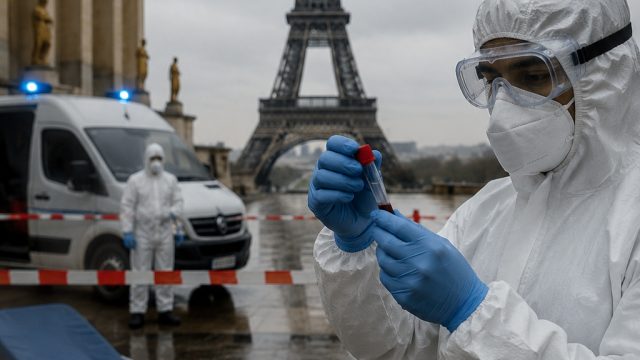
In a significant development, health officials in France have confirmed the country's first case of Ebola, linked to a healthcare professional returning from a recent assignment in the Democratic Republic of the Congo (DRC). This alarming news comes as the DRC experiences one of the fastest-growing Ebola outbreaks in its history, with the number of cases surpassing 1,000 in recent weeks.
The Context of the Outbreak
The current Ebola outbreak in the DRC has been marked by swift transmission, raising fears among public health experts worldwide. The situation is unprecedented, as the disease not only poses a challenge to local health systems but also threatens global safety. France's proactive detection of the virus serves as a crucial reminder of the interconnectedness of health security in an increasingly globalized world.
A Closer Look at the Virus
Ebola virus disease (EVD) is known for its high fatality rates, often exceeding 50% in recent outbreaks. Symptoms typically begin with fever, fatigue, and muscle pain, progressing to severe symptoms such as vomiting, rash, and internal bleeding. Given its lethal nature, the swift identification and response to cases, especially in urban settings, is vital.
Public Health Responses
In light of this first case, French health authorities are intensifying surveillance and monitoring efforts. Here are some key measures being implemented:
- Enhanced Screening: Increased screening at airports and other points of entry to identify potential cases early.
- Public Awareness Campaigns: A nationwide campaign to educate citizens about Ebola, its symptoms, transmission, and prevention methods.
- Collaboration with International Bodies: Working closely with the World Health Organization (WHO) and other health organizations to monitor the situation globally.
Why This Matters Now
The emergence of Ebola in France underscores the need for heightened vigilance not only within the country but across Europe and beyond. As international travel resumes post-pandemic, health systems must adapt to new challenges posed by infectious diseases that can transcend borders. The rapid spread of the virus in the DRC illustrates the possible scenarios that can unfold when outbreaks are not contained effectively.
The Role of Global Cooperation
Addressing health threats like Ebola requires a unified global response. Countries must share knowledge and resources, ensuring that under-resourced nations receive adequate support to manage outbreaks effectively. The experience from previous Ebola crises has shown that isolated efforts are often insufficient to control the spread of the disease.
Preparedness and Prevention
As countries assess their readiness to combat Ebola, several factors must be addressed:
- Investment in Healthcare Infrastructure: Upgrading facilities and providing necessary training for healthcare workers can improve response rates.
- Development of Vaccines: Continued research and development of efficient vaccines against Ebola can serve as a frontline defense.
- Strengthening Local Reporting Systems: Encouraging timely reporting of suspected cases can lead to quicker interventions.
Conclusion: A Call to Action
France's first confirmed Ebola case serves as a stark warning about the vulnerabilities in global health security. As nations grapple with the potential for infectious disease outbreaks, the time for action is now. Through enhanced cooperation, investment in health infrastructure, and comprehensive public education, countries can better prepare for similar incidents in the future. Staying informed and vigilant is crucial for protecting our communities from the threat of Ebola and other infectious diseases.