
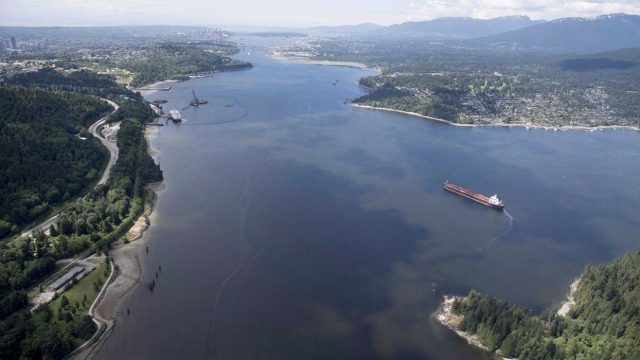
The Vancouver Fraser Port Authority has been granted the go-ahead for a significant dredging project in Burrard Inlet, a crucial step that could reshape the region's shipping landscape. This development is primarily aimed at accommodating larger oil tankers associated with the controversial Trans Mountain pipeline expansion, raising important questions about the environmental and economic implications of such an undertaking.
What the Dredging Project Entails
The approved dredging project will take place along both the northern and southern edges of the navigation channel beneath Vancouver's Second Narrows bridge. This initiative is designed to facilitate the passage of Aframax-class tankers, capable of measuring up to 250 meters in length and having a draft of approximately 16 meters. These vessels are set to load at the Westridge Marine Terminal, a key point for oil distribution, making it essential for the port to enhance its shipping infrastructure.
Timeline and Expectations for Dredging
Dredging operations are slated to commence in September; however, the port authority has yet to provide a definitive timeline for the project’s completion. The main objective is to enable these large vessels to operate at greater capacities, thus increasing the efficiency of oil transport through the inlet.
Why This Matters Now
The urgency of this project reflects the growing demand for oil and the associated logistics challenges faced by ports worldwide. With the global energy market in a constant state of flux, ensuring that infrastructure can meet these demands is paramount. The expansion of oil tanker capacity in Burrard Inlet is particularly significant as it aligns with Canada’s broader objectives of increasing oil exports while also navigating international environmental commitments.
Environmental Considerations
As the port authority pushes forward with this project, environmental advocates remain concerned about the potential consequences of dredging on local ecosystems. The Burrard Inlet is a sensitive habitat, and any disruption poses risks to marine life and water quality. Stakeholders are urging a comprehensive environmental assessment to balance economic growth with ecological integrity.
- Impact on marine biodiversity in Burrard Inlet
- Potential changes to water quality due to sediment displacement
- Long-term effects on local fisheries
- Community responses and public sentiment regarding environmental stewardship
Engagement from Local Stakeholders
The dredging of Burrard Inlet is not just a logistical concern; it is a topic of heated debate among local communities, environmentalists, and industry stakeholders. Public consultations have been held to gather feedback from residents, many of whom express concerns over potential risks associated with increased oil transportation.
Community Concerns
Residents and advocates worry that the increased frequency of larger oil tankers could lead to spills or accidents, posing a threat to the local environment and economy. Thus, it is essential for the Vancouver Fraser Port Authority to engage transparently with the public, addressing these concerns while balancing the economic benefits of increased oil exports.
Conclusion: The Road Ahead
The upcoming dredging operations in Burrard Inlet represent a pivotal moment for the region's maritime and oil transport industries. As the project moves forward, it will be crucial to monitor its environmental impact and community responses. The balance between economic growth and ecological preservation will likely define Vancouver's approach toward shipping and oil transportation in the years to come.
Ultimately, this project is a litmus test for how Canada navigates its energy future amidst growing concerns about climate change and environmental protection.