
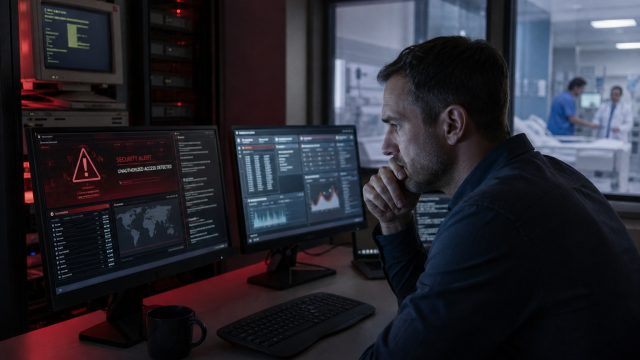
In a startling development that has sent shockwaves through the healthcare sector, OneMedical has reported a significant cybersecurity breach affecting its legacy systems. This incident underscores the urgent necessity for robust data security measures in an industry that handles sensitive patient information.
The Breach: What Happened?
OneMedical, known for its innovative approach to patient care, experienced unauthorized access to its legacy systems, compromising a substantial amount of personal health information. This breach highlights the vulnerabilities associated with outdated technology, which often lacks the necessary security protocols to withstand sophisticated cyberattacks.
Understanding Legacy Systems
Legacy systems refer to outdated computing systems or applications that remain in use, often due to their critical role in business operations. Many healthcare providers still rely on these systems because upgrading to modern alternatives can be costly and time-consuming. However, as seen in the case of OneMedical, these outdated technologies can pose severe risks:
- Inadequate Security Features: Older systems often lack the advanced security protocols required to fend off modern cyber threats.
- Data Vulnerability: Sensitive patient information may be more susceptible to unauthorized access and data breaches.
- Compliance Risks: Organizations may struggle to meet regulatory requirements, leading to potential legal consequences.
The Ramifications for Healthcare Providers
The implications of this breach extend far beyond OneMedical. As healthcare providers increasingly adopt technology to streamline operations and enhance patient care, the need for robust security measures has never been more pressing. Healthcare organizations must prioritize upgrading legacy systems to avoid similar breaches that can compromise patient trust and safety.
Best Practices for Data Security
To safeguard against potential data breaches, healthcare providers should consider implementing the following best practices:
- Regular Security Audits: Conduct frequent assessments of existing systems to identify vulnerabilities and address them promptly.
- Invest in Modern Technology: Upgrade legacy systems to newer platforms that include enhanced security features.
- Employee Training: Provide regular training for staff on cybersecurity best practices to reduce human error.
- Incident Response Plan: Develop a comprehensive response strategy to effectively manage any future breaches.
Why This Matters Now
With the rise of cyber threats against the healthcare sector, incidents like the OneMedical breach serve as critical reminders of the importance of cybersecurity. As healthcare providers increasingly rely on digital solutions, the potential fallout from data breaches—ranging from financial loss to reputational damage—becomes more significant. The urgency for improved cybersecurity measures in healthcare cannot be overstated, as patient safety and trust are at stake.
Looking Forward: The Future of Healthcare Security
As the healthcare landscape evolves, stakeholders must recognize cybersecurity as a fundamental component of patient care. Regulatory bodies are likely to increase scrutiny on data protection practices, which means that healthcare providers must stay ahead of the curve. The OneMedical incident is a wake-up call for all organizations within this sector to reassess their cybersecurity protocols and take actionable steps to fortify their defenses.
Conclusion
The breach of OneMedical's legacy systems serves as a pivotal moment for the healthcare industry, emphasizing the critical need for enhanced data security solutions. By prioritizing the upgrade of outdated systems and adopting comprehensive cybersecurity strategies, healthcare providers can better protect sensitive information and maintain patient trust. As we move forward, it is imperative that the lessons learned from this breach drive the evolution of security practices in healthcare, ensuring safer environments for both patients and providers alike.