
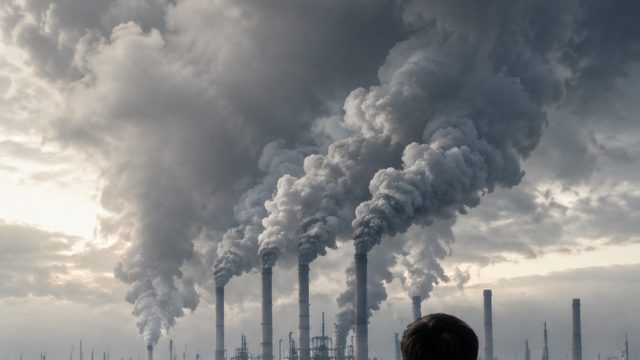
The Urgent Need for Clean Air: A Call to Action
As the world increasingly grapples with the consequences of climate change and industrial activity, air pollution has emerged as a pressing public health crisis. Recent developments in British Columbia highlight the alarming trend of expanding fossil fuel operations, which pose significant risks to air quality and, consequently, to the health of residents.
The Reality of Air Pollution Today
Air pollution is often described as a silent killer, as it can lead to severe health conditions without immediate symptoms. This is particularly concerning in urban areas where industrial activities are prevalent. In recent months, the government of British Columbia has faced criticism for its ongoing commitment to supporting fossil fuel enterprises, even amidst mounting evidence linking these activities to deteriorating air quality.
Understanding the Main Pollutants
Several harmful substances contribute to the degradation of air quality, including:
- Nitrogen Dioxide (NO2): Primarily produced from vehicle emissions and industrial processes, NO2 can cause respiratory issues and aggravate asthma.
- Sulphur Dioxide (SO2): Emitted from burning fossil fuels, SO2 can lead to acid rain, which harms ecosystems and contributes to respiratory problems.
- Fine Particulate Matter (PM2.5): These tiny particles can penetrate deep into the lungs and even enter the bloodstream, leading to cardiovascular diseases.
- Benzene: A byproduct of petroleum processing, benzene is a known carcinogen that poses serious health risks with prolonged exposure.
The Health Risks Associated with Poor Air Quality
The implications of poor air quality are profound, affecting not only individual health but also public health systems. Here are the key health risks:
Respiratory Issues
- Increased prevalence of asthma and other chronic lung diseases.
- Heightened sensitivity in vulnerable populations, such as children and the elderly.
Cardiovascular Dangers
- Higher rates of heart attacks and strokes linked to long-term exposure to polluted air.
- Potential for increased blood pressure and other cardiovascular-related issues.
The Call for Action and Change
Given the dire impact of air pollutants, it is essential that both governmental bodies and citizens take action to address this crisis. Here are several strategies that can help mitigate air pollution:
Policy and Regulation
- Reinforcing regulations on industrial emissions to ensure compliance with air quality standards.
- Incentivizing the adoption of cleaner technologies in transportation and manufacturing.
Community Engagement
- Raising public awareness about the sources and health impacts of air pollution.
- Encouraging local initiatives aimed at reducing vehicle use and promoting clean energy sources.
Conclusion: A Collective Responsibility
The battle against air pollution is not solely the responsibility of the government; it requires collective effort from all sectors of society. As communities begin to understand the implications of their actions on air quality, it is crucial to foster dialogues about sustainable practices, cleaner technologies, and public health awareness. The time for action is now—let us work together to forge a future with cleaner air for all.