
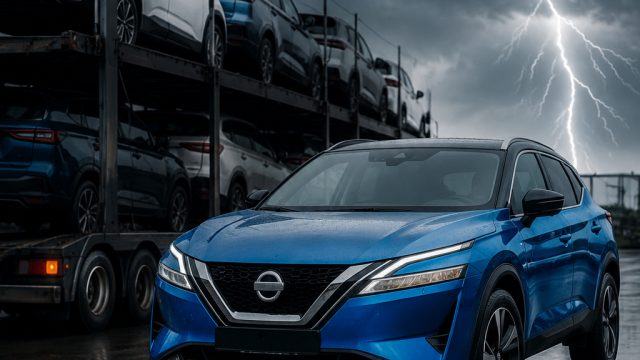
Nissan Halts All-Electric Qashqai Plans Amid Cost-Cutting Measures
Nissan has made a significant move in the automotive world by halting the development of a fully electric version of its popular Qashqai model. This decision, driven by a strategic need to reduce costs, marks a pivot in the company’s approach to electric vehicles (EVs) and could have broader implications for the industry.
Background of the Qashqai and Nissan’s EV Strategy
The Qashqai has long been a cornerstone of Nissan's lineup in Europe, recognized for its blend of versatility and practicality. As global demand for electric vehicles skyrockets, automakers like Nissan have been keen to transition their best-selling models to electric platforms. However, with increasing competition and economic pressures, Nissan has reevaluated its EV roadmap.
The Decision to Halt Development
According to recent reports, Nissan quietly ceased the development of the all-electric Qashqai at its Sunderland plant, which is known as the UK’s largest car manufacturing site. This decision follows a broader strategy where Nissan aims to reduce its overall model lineup by approximately 20% as part of a significant cost-cutting initiative.
Challenges in the EV Market
The automotive sector is facing numerous challenges as it shifts towards electric mobility. Here are some of the key factors influencing Nissan's decision:
- Economic Factors: Rising raw material costs and supply chain disruptions have compelled automakers to reconsider their investments in new technology.
- Market Competition: With many manufacturers racing to launch their own electric vehicles, Nissan’s early investments in EVs are now met with fierce competition.
- Consumer Demand: While interest in electric vehicles continues to grow, consumer preference remains a critical issue as drivers remain concerned about charging infrastructure and range.
The Implications of Cost-Cutting
Nissan’s cost-cutting measures are not unique; many companies in the auto industry are reevaluating their offers and investments to remain competitive. Here's how these changes might impact Nissan and its consumers:
- Reduced Model Offerings: A leaner portfolio may help Nissan focus on higher-demand products, but it could also limit options for consumers who prefer electric vehicles.
- Investment in Existing Models: With fewer models to support, resources may be redirected to enhance current gasoline-powered models or to accelerate other EV projects that show higher potential.
- Long-Term Strategy: This could be a temporary setback in Nissan’s electric ambitions, with the possibility of re-entering the EV space once the market stabilizes.
The Future of Electric Vehicles at Nissan
Despite halting the electric Qashqai, Nissan remains committed to expanding its EV lineup. The company is also actively working on a range of new electric models, including the Ariya crossover, which aims to reposition Nissan as a key player in the EV segment.
Industry Response
The automotive industry is closely monitoring Nissan’s moves, especially as other manufacturers evaluate their own electric strategies. Industry analysts suggest that Nissan's decision may reflect a necessary recalibration rather than a retreat from the EV market.
Conclusion: What Lies Ahead for Nissan and the EV Market?
Nissan's decision to pause the all-electric Qashqai project illustrates the complex landscape of the automotive industry today. As economic pressures mount and competition increases, car manufacturers must navigate a delicate balance between innovation and sustainability. The move may cause ripples in the EV sector, prompting both consumers and other automakers to reconsider their strategies as the market evolves. Only time will tell how Nissan will re-emerge in the electric vehicle market, but its next steps will be closely watched by consumers and competitors alike.