
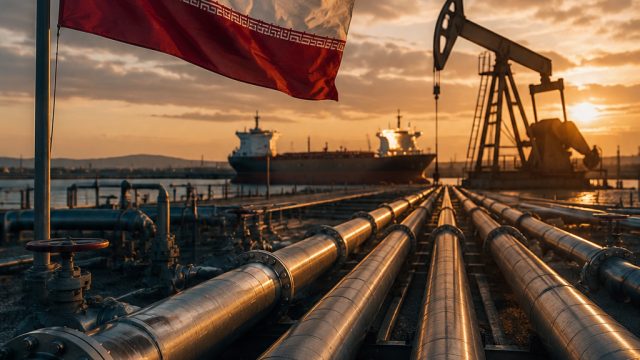
US Lifts Certain Sanctions on Iran, Impacting Global Oil Markets
In a significant shift in international policy, the United States has announced waivers of specific sanctions concerning Iranian oil exports. This development comes at a critical time as global energy prices remain volatile, and the geopolitical landscape continues to evolve rapidly. Understanding the ramifications of this decision is essential for businesses, investors, and policy-makers alike.
Why Sanction Waivers Matter Now
The recent waivers on Iran's oil sanctions are particularly impactful amid rising global energy demands. With inflationary pressures affecting economies worldwide, the decision to ease restrictions could potentially lead to a surge in Iranian oil exports, thereby stabilizing oil prices in the short term. This move not only unlocks billions in revenue for Tehran but may also shift the dynamics of international negotiations surrounding Iran's nuclear program.
Economic Ramifications of the Sanctions Easing
- Increased Iranian Oil Supply: The waivers allow Iran to enhance its oil output, which could flood the market and affect prices globally.
- Revenue Boost for Tehran: With access to international markets, Iran could significantly increase its oil revenue, funding various economic initiatives.
- Impact on Global Oil Prices: Analysts predict that the influx of Iranian oil may lead to decreased prices, providing relief to consumers.
Geopolitical Implications of the Waivers
This pivotal decision by the US government does not come without consequences. As Tehran looks to expand its relationships with major oil importers in Asia, this could alter the balance of power within the region. Countries like China and India, which are looking to diversify their energy sources, may seize this opportunity to strengthen ties with Iran.
The Role of Major Players
- China: As one of the largest importers of oil, China's role will be crucial in determining how much Iranian oil enters the global market.
- India: India’s energy demands could lead to increased imports from Iran, impacting their long-term energy strategy.
- Other Middle Eastern Nations: Countries in the region may view the US decision as an opportunity to reassess their own relationships with Iran.
Future of Iran's Nuclear Talks
The easing of sanctions is also closely tied to ongoing discussions regarding Iran's nuclear program. While the US maintains that these waivers are not a step back from addressing nuclear concerns, critics argue that it may embolden Tehran to continue its current course. The intersection of oil diplomacy and nuclear negotiations creates a complex scenario moving forward.
Potential Challenges Ahead
- International Relations: The decision could strain relationships with allies who favor a tougher stance on Iran's nuclear ambitions.
- Domestic Reactions: There could be significant backlash from political groups within the US advocating for stricter sanctions.
- Market Volatility: The influx of Iranian oil may lead to unpredictable shifts in global oil prices.
Conclusion: A Complex Landscape
The US lifting certain sanctions on Iran marks a crucial turning point in both global energy markets and international relations. As Tehran seeks to integrate itself into the international oil economy once again, the implications of this shift will be felt worldwide. Stakeholders must stay informed and agile, as developments unfold in an increasingly interconnected and volatile geopolitical landscape. The next steps taken by both the US and Iran will be pivotal in shaping the future of oil markets and nuclear negotiations alike.