
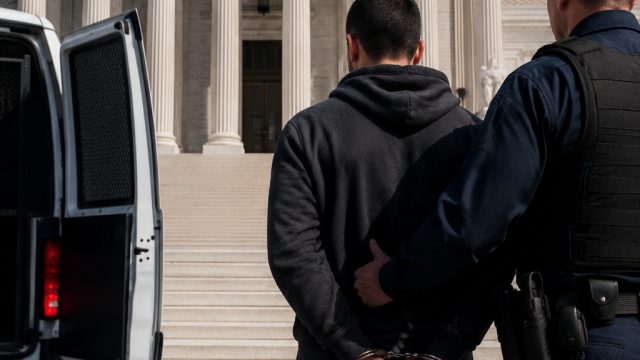
In a significant legal development, a federal judge in California has overturned a set of immigration enforcement policies enacted during the Trump administration. This ruling, delivered by U.S. District Judge P. Casey Pitts, directly impacts the practices of the U.S. Immigration and Customs Enforcement (ICE) agency regarding arrests in immigration courthouses and holds on noncitizens. The decision is stirring discussions about the future of immigration enforcement in the United States.
Overview of the Court's Decision
Judge Pitts's ruling declared that the Trump administration's policies enabling arrests at immigration courthouses were "arbitrary and capricious." This determination is critical because it signifies a judicial pushback against aggressive immigration enforcement tactics that many have criticized for undermining the legal rights of noncitizens. The judge specifically addressed the previous allowance for ICE to detain individuals in short-term facilities for up to 72 hours, which he viewed as an infringement on due process.
Background of the Policies
These contentious policies originated from a broader immigration strategy that sought to increase the number of arrests and extend detention times for noncitizens. Following the rescission of stricter guidelines, ICE operations expanded into courthouses, environments typically considered safe for individuals seeking legal recourse.
- Prior guidelines prohibited arrests at courthouses.
- New policies allowed for longer detention periods.
- Critics labeled these measures as intimidation tactics.
Implications of the Ruling
The court's decision is likely to have far-reaching consequences for both immigration enforcement and the rights of noncitizens. By reinstating previous protections against courthouse arrests, the ruling underscores the importance of accessible legal avenues for immigrants. Here are some of the immediate implications:
- **Increased Access to Justice**: Noncitizens can now attend court hearings without fear of immediate arrest, promoting fair legal representation.
- **Potential Policy Changes**: This ruling could prompt the Biden administration to reassess and reform current immigration enforcement strategies.
- **Legal Precedent**: The case sets a critical legal precedent that may influence future challenges to immigration enforcement policies.
Public and Political Reactions
The backlash against the Trump-era policies had been substantial among immigrant rights advocates, legal experts, and the broader public. Many viewed these policies as a means to instill fear within immigrant communities. The recent ruling has been met with praise from various advocacy groups who see it as a victory for human rights and due process.
On the other hand, some political figures who supported the previous administration’s hardline stances on immigration have expressed disappointment. They argue that increased leniency could lead to a surge in undocumented immigration, complicating enforcement efforts.
Looking Forward: What Comes Next?
As this legal battle continues to unfold, it raises essential questions about the future of immigration policy in the United States. Here are some key areas to watch:
- **Federal Government Response**: Will the Biden administration make significant changes to current enforcement policies?
- **Legal Challenges**: Expect further challenges as states and advocacy groups respond to this ruling.
- **Public Opinion**: How will this ruling shape public perception of immigration enforcement moving forward?
Conclusion
The decision to vacate the Trump-era immigration policies signals a pivotal moment in the ongoing debate over immigration enforcement in the United States. As the legal landscape evolves, understanding the implications of this ruling will be essential for noncitizens, legal professionals, and policymakers alike. The effects of this decision may reverberate throughout the immigration system, emphasizing the delicate balance between enforcing laws and protecting individual rights.