
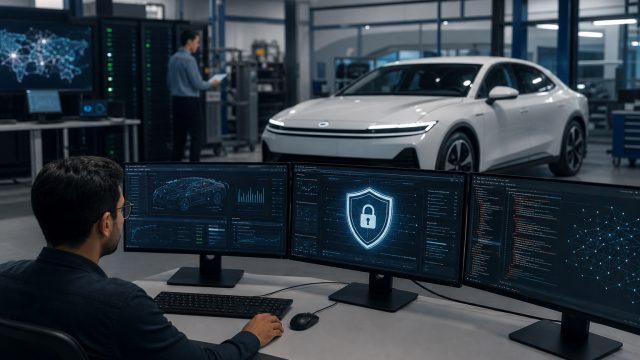
Hyundai and Kia Unite to Enhance Cybersecurity in Automotive Industry
The automotive landscape is undergoing a significant transformation as Hyundai Motor and Kia have officially launched a new cybersecurity working group. This initiative aims to address increasing concerns about vehicle data protection and cybersecurity vulnerabilities, positioning both companies at the forefront of automotive safety innovations.
Why This Initiative is Crucial Now
With the proliferation of connected vehicles, the risk of cyber threats targeting automotive systems has never been greater. Recent studies highlight that over 90% of new vehicles are equipped with internet connectivity, enhancing their functionality but also exposing them to potential cyberattacks. The formation of this working group comes amidst escalating regulatory scrutiny and consumer demand for robust data protection standards.
Understanding the Cybersecurity Working Group
This collaborative group is part of the Trilateral Economic Dialogue, which includes major stakeholders from the auto industry. Its goals are multifaceted:
- Developing advanced cybersecurity protocols for vehicles
- Sharing best practices among manufacturers
- Enhancing the overall resilience of the automotive ecosystem against cyber threats
Key Takeaways from the Initiative
Hyundai and Kia’s proactive approach signifies a commitment to safeguarding consumer data and ensuring vehicle integrity. Here are a few crucial aspects of the cybersecurity initiative:
1. Collaborative Efforts
The group emphasizes collaboration not only between Hyundai and Kia but also extends to partnerships with technology firms and cybersecurity experts. This is essential in today’s interconnected world, where threats continue to evolve rapidly.
2. Regulatory Compliance
As governments worldwide tighten regulations regarding data security and privacy, this initiative positions both manufacturers to meet and exceed those standards. Compliance is vital not just for legal reasons but also to bolster consumer trust.
3. Focus on Research and Development
Investment in R&D will be crucial to stay ahead of potential threats. The working group will be exploring new technologies and methodologies to enhance vehicle security, helping to prevent potential data breaches or hacks.
The Impact on Consumers and the Industry
The implications of Hyundai and Kia's initiative extend far beyond their corporate walls. For consumers, this means:
- Increased confidence in vehicle safety
- Better protection of personal data
- Enhanced overall driving experience with secure connectivity
Moreover, the move is likely to set a precedent for other automotive manufacturers, pushing the entire industry towards more comprehensive cybersecurity solutions.
Looking Forward
As the automotive sector increasingly embraces digital technology, the need for robust cybersecurity frameworks will only intensify. Hyundai and Kia's newfound dedication to cybersecurity could lead to groundbreaking developments in how vehicles are protected against cyber threats.
Conclusion
In conclusion, the establishment of the cybersecurity working group by Hyundai and Kia is not merely a response to current market demands but a proactive step towards future-proofing the automotive industry. As vehicle connectivity continues to deepen, initiatives like these are essential to ensure the safety and security of both vehicles and their drivers. As we observe this development, the broader impact on regulatory practices and consumer trust in the automotive sector will be crucial in shaping the future of mobility.