
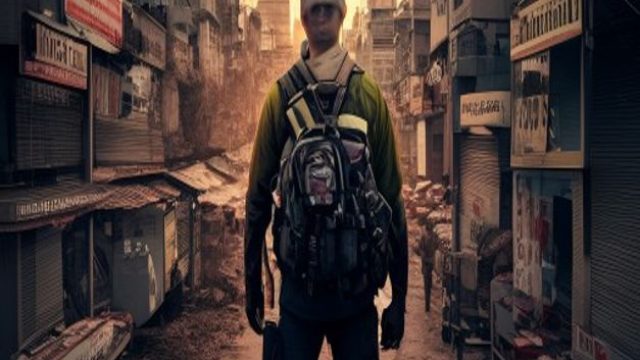
Amid escalating violence, Myanmar is facing a humanitarian crisis with the highest monthly toll of civilian deaths since the onset of its civil war in 2021. This alarming situation draws attention to the dire realities faced by the civilian population and underscores the urgent need for international intervention and support.
Current Situation: A Deepening Crisis
The civil war in Myanmar has intensified in recent months, particularly in areas where resistance forces have clashed with the military regime. As a result, the number of civilian casualties has soared, raising concerns from humanitarian organizations and foreign governments alike.
Statistics and Reports of Violence
According to reports from various human rights organizations, June marked a particularly deadly month for the people of Myanmar, with civilian deaths reaching unprecedented levels. Eyewitness accounts paint a grim picture of the ongoing violence:
- Increased airstrikes targeting populated areas.
- Reports of mass displacements as families flee conflict zones.
- Humanitarian aid efforts severely hampered by violence and political instability.
The Human Impact
The repercussions of the conflict extend beyond immediate casualties. Many families face dire conditions, struggling to access basic necessities such as food, clean water, and medical care.
Moreover, the psychological toll on survivors is profound, with many experiencing trauma and anxiety due to ongoing violence and loss. Communities are fractured, and trust in government institutions has eroded, leaving citizens feeling vulnerable and exposed.
The Role of the International Community
In light of the worsening situation, the response from the international community has become increasingly critical. Calls for action have heightened, with various governments and organizations urging a unified approach to address the crisis.
Efforts for Intervention
Countries and international bodies are exploring various strategies to support the civilians affected by the conflict. Key actions being considered include:
- Imposing stricter sanctions on Myanmar's military leaders to pressure them into ceasing hostilities.
- Increasing humanitarian aid to help those in desperate need, ensuring it reaches the most affected areas.
- Diplomatic efforts aimed at facilitating dialogue between opposing factions to encourage peaceful resolutions.
Humanitarian Aid Challenges
Despite the urgency for international assistance, numerous challenges persist. Aid workers face significant risks when attempting to deliver supplies, and the military's tight grip on power complicates the flow of aid. Moreover, the lack of secure access points raises concerns about the ability to effectively reach those in need.
The Importance of Awareness and Advocacy
The current situation in Myanmar serves as a stark reminder of the fragility of peace in conflict-affected regions. Awareness and advocacy can contribute to fact-based discussions that stress the importance of humanitarian efforts and the protection of civilians.
Building Public Support
Raising awareness about the crisis is essential for garnering public support for humanitarian initiatives and pressuring governments to take action. Individuals can contribute by:
- Staying informed about the situation through credible news sources.
- Engaging in discussions on social media to amplify awareness.
- Supporting organizations actively working to provide aid in Myanmar.
Conclusion: A Call to Action
The tragic rise in civilian casualties in Myanmar's conflict emphasizes the urgent need for a cohesive global response. While the situation remains dire, continued advocacy, awareness, and support can play a pivotal role in alleviating the suffering of countless individuals caught in the crossfire. It is vital that the international community acts decisively to protect vulnerable populations and work towards a peaceful resolution in Myanmar.