
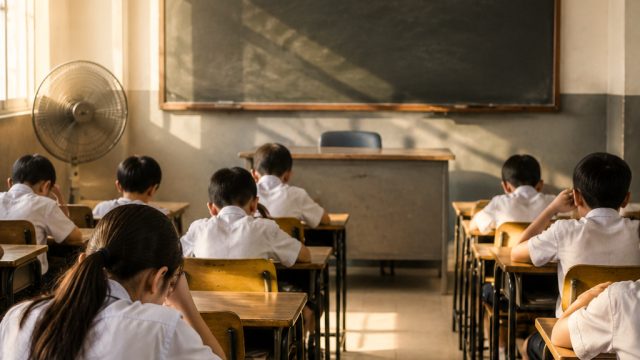
As Europe experiences unprecedented heat waves, the issue of whether to keep schools open has ignited a heated debate among parents, educators, and local officials. With temperatures soaring, particularly in countries like the UK and France, many are questioning the adequacy of current school infrastructures to ensure student safety and comfort.
The Current Situation in Schools
Many schools in the UK and France lack effective air-conditioning systems, which makes it difficult for students to remain focused and comfortable during lessons in extreme heat. This lack of cooling solutions has led to concerns among parents and educators about the health risks posed to children. Headaches, fatigue, and heat-related illnesses become real dangers as classroom temperatures rise.
Concerns Raised by Parents
Parents are increasingly vocal about their concerns for their children's well-being during these harsh conditions:
- Health Risks: Heat exhaustion and dehydration are significant threats, especially for younger children who may not recognize the signs.
- Learning Environment: High temperatures can hinder concentration and engagement, impacting educational outcomes.
- Transportation Issues: Getting to and from schools in extreme heat can pose additional challenges, especially for those utilizing public transport.
Official Responses and Recommendations
Local education authorities are divided on how best to handle the situation. Some advocate for temporary school closures on extremely hot days, while others suggest adjusting school hours to begin earlier or later in the day when temperatures are cooler. The England National Education Union (NEU) has called for urgent investment in school infrastructure to include adequate cooling systems for the future.
Potential Solutions for Schools
To address these concerns, several practical solutions are being discussed:
- Extended Breaks: Introducing longer break times to allow students to cool off outside.
- Fluid Availability: Ensuring that students have constant access to water and hydration stations throughout the day.
- Remote Learning Options: Providing online learning alternatives on exceptionally hot days when attendance may drop.
Comparative Approaches from Other Countries
Countries that regularly experience extreme temperatures often have established protocols for managing heat in educational settings. For example, schools in parts of Australia and the southern United States utilize heat action plans that include early dismissals, transitioning to online learning, or offering more flexible schedules during the peak heat months. These proactive measures focus on ensuring student safety while minimizing disruption to learning.
Lessons to Learn
As European countries grapple with rising temperatures, there are invaluable lessons to be taken from these strategies:
- Investment in Infrastructure: Upgrading school facilities to implement effective cooling systems can mitigate risks.
- Policy Development: Establishing clear guidelines for schools to follow during heat waves to protect students and staff.
- Community Engagement: Involving parents and local communities in decision-making to ensure transparency and support.
The Future of Education in a Changing Climate
The ongoing conversation about school closures during extreme heat is a reflection of larger issues surrounding climate change and its impact on public health and education. As temperatures continue to rise, it is crucial that schools adapt to ensure the safety and well-being of students.
Moving Forward
Stakeholders in education must prioritize creating environments that foster learning while also considering the health implications of extreme weather. Continuous dialogue among parents, educators, and policymakers is essential for developing effective and sustainable solutions. Protecting our future generations’ education and health must remain a top priority as we navigate these challenges together.
In conclusion, the choice between keeping schools open or closing them due to extreme heat is complex. It requires careful consideration of health risks, educational impacts, and the need for immediate action to enhance school infrastructure. By learning from successful strategies in other countries and investing in local resources, schools can better serve students in an ever-changing climate.