
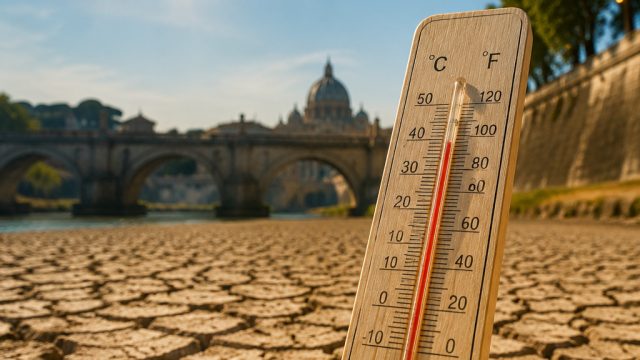
This summer, Europe is facing an extreme weather phenomenon, as the continent grapples with record-breaking temperatures. Recent reports indicate that France has recorded its hottest day ever, while meteorologists in the UK are forecasting that temperature records for this time of year are likely to be surpassed. As the heat wave intensifies, it’s crucial to understand its impacts and what it means for the population.
The Current Situation: Understanding the Numbers
The ongoing heat wave has brought temperatures soaring above seasonal norms across various parts of Europe. Many regions are experiencing unprecedented warmth, which has significant implications for both public health and infrastructure.
Key Temperature Records
- France: Recorded a staggering high of over 45 degrees Celsius.
- UK: Predicted temperatures to reach around 40 degrees Celsius, a historical high for the region.
- Germany: Reports indicate temperatures climbing to 39 degrees Celsius, putting strain on energy resources.
Such extreme highs are not just numbers; they reflect a broader trend linked to climate change and its increasing frequency and severity of extreme weather events.
Health Risks Associated with Extreme Heat
The escalating temperatures present various health risks, particularly for vulnerable populations. It’s essential to recognize the potential consequences of prolonged exposure to high heat, such as:
- Heat exhaustion and stroke
- Dehydration and related complications
- Agricultural impacts affecting food security
Health agencies across Europe are issuing warnings urging individuals to stay hydrated and take precautions when outdoors. Plans are being developed to ensure vulnerable groups have access to cooling centers and necessary medical care as the heat persists.
Staying Safe: Recommendations
- Limit outdoor activities during peak heat hours (11 AM - 4 PM).
- Stay indoors in air-conditioned spaces whenever possible.
- Drink plenty of fluids, particularly water, to prevent dehydration.
- Keep an eye on vulnerable family members, including the elderly and children.
These steps are critical to mitigating the health risks associated with this record-setting heat wave.
Impact on Infrastructure and Daily Life
As temperatures rise, the impact on infrastructure becomes increasingly evident. Cities are experiencing heightened demands on energy supplies, causing concerns about possible outages. Public transportation systems may also be affected as rail and bus services adjust to extreme weather conditions.
Energy Supply Challenges
With the surge in energy consumption for cooling, many countries are urging citizens to conserve electricity. The energy grids are under pressure, and utilities are closely monitoring the situation to prevent outages.
Transportation Adjustments
Public transport systems are adapting their schedules and routes to account for heat-related disruptions. Authorities are advising commuters to remain patient as they navigate altered services. Travel plans may also be affected, making it essential for individuals to stay informed about the latest updates.
Climate Change Connection
This heat wave serves as a stark reminder of the ongoing discussions surrounding climate change. Experts emphasize that increasing global temperatures are linked to human activities, and immediate action is necessary to combat these changes. Understanding the relationship between such climate phenomena and everyday life is crucial.
Calls for Action
In light of these events, environmental organizations are urging governments and individuals to take proactive measures towards sustainability. Initiatives aimed at reducing carbon footprints and improving urban resilience to extreme weather events are more crucial than ever.
Conclusion: The Importance of Staying Informed
As Europe endures this unprecedented heat wave, awareness and preparedness are essential. Staying informed about weather alerts and health recommendations can significantly impact individual and community safety. It is imperative to acknowledge the effects of extreme weather not just as isolated events, but as part of an overarching climate narrative we all must address collectively.
As we navigate these challenging times, let’s commit to better understanding and mitigating the risks associated with climate change, ensuring a safer future for all.