
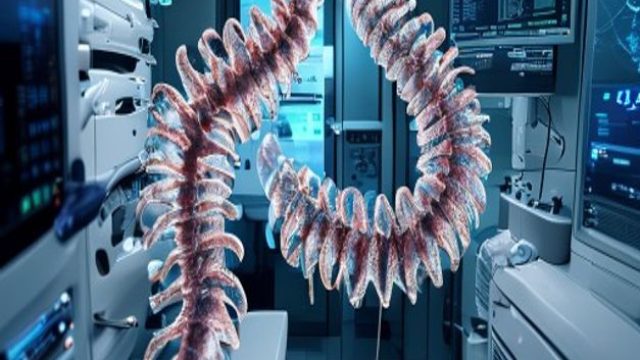
In recent years, hospitals across the globe have been rapidly incorporating endoscopic spine surgery into their treatment offerings. This trend reflects a significant shift in how spine-related issues are approached, emphasizing patient comfort and recovery times. As the medical landscape evolves, understanding this movement's implications is essential for both healthcare providers and patients.
The Driving Forces Behind Endoscopic Spine Surgery
Several factors contribute to the increasing popularity of endoscopic spine surgery among healthcare institutions:
- Minimally Invasive Techniques: Surgeons are drawn to the reduced trauma associated with endoscopic procedures, leading to quicker recoveries for patients.
- Patient Demand: Many patients prefer options that promise less downtime and lower pain levels compared to traditional open surgery methods.
- Technological Advancements: Innovations in surgical tools and imaging technology have made endoscopic procedures safer and more effective.
The Cost-Benefit Analysis
While the upfront costs of disposable instruments used in endoscopic procedures can exceed those of traditional methods, hospitals are beginning to see long-term benefits. Fewer complications and shorter hospital stays mean lower overall costs for both healthcare facilities and patients.
Challenges Faced by Hospitals
Despite the advantages, there are hurdles healthcare facilities must navigate:
- Initial Investment: Hospitals face significant costs to acquire the necessary equipment and train staff in these advanced techniques.
- Patient Selection: Identifying which patients will benefit most from endoscopic surgery requires careful evaluation.
- Financial Models: Hospitals must adapt their financial models to account for the differences in revenue generation between endoscopic and traditional surgeries.
The Economic Outlook
The financial implications of adopting endoscopic spine surgery vary. While it may initially appear more costly, hospitals that successfully implement these programs can attract more patients seeking less invasive treatment options. This shift could potentially enhance their overall profitability.
The Future of Endoscopic Spine Surgery
As the healthcare landscape continues to change, the future of endoscopic spine surgery looks promising. With ongoing research and technological advancements, the procedures are likely to become even more effective and accessible.
Potential Benefits for Patients
Patients can expect several advantages from the rise of endoscopic spine surgery, including:
- Reduced Pain: The minimally invasive nature of endoscopic procedures typically leads to less postoperative pain.
- Quicker Recovery: Most patients can return to normal activities much sooner than with traditional surgery.
- Lower Risk of Complications: With less tissue disruption, the risk of complications can decrease significantly.
Conclusion
The surge of endoscopic spine surgery in hospitals underscores a pivotal change in patient care and surgical practices. As more healthcare facilities embrace these advanced techniques, it’s essential for patients to stay informed about their options. This trend not only promises enhanced recovery experiences but also highlights the importance of innovation within the medical community. For anyone facing spinal issues, discussing the possibility of endoscopic surgery with their healthcare provider could be a transformative step forward.