
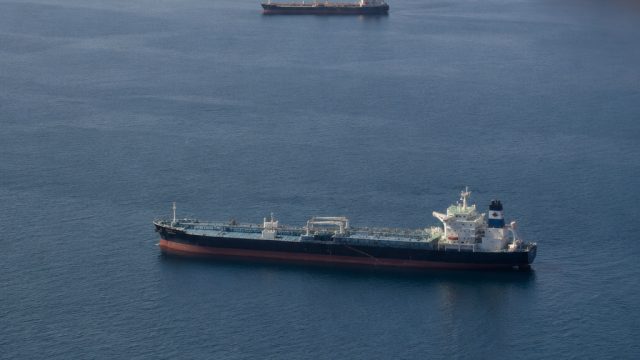
Record Oil Transit Through the Strait of Hormuz: Insights and Implications
In a significant development, recent reports indicate an unprecedented amount of oil has flowed through the Strait of Hormuz, a critical chokepoint for global energy supplies. This surge in oil transit is raising eyebrows and prompting discussions among industry experts, policymakers, and stakeholders worldwide.
Understanding the Significance of the Strait of Hormuz
The Strait of Hormuz is strategically vital, serving as the passage for almost 20% of the world's oil. Its narrow geography makes it a focal point for maritime trade, and any disruption can have far-reaching effects on global oil prices and supply security. With the recent spike in oil transit, it's crucial to explore its implications for the energy market and geopolitical landscape.
Record Volumes and Their Drivers
Analysts have pointed out several factors contributing to the rising oil volumes transiting through this strategic waterway. The following factors play pivotal roles:
- Increased Global Demand: As the world economy recovers from the pandemic, there has been a steep increase in oil consumption across various sectors, including transportation, manufacturing, and energy production.
- Geopolitical Tensions: Ongoing tensions in key oil-producing regions have led to strategic reserves tapping into the Strait, further amplifying transit levels.
- OPEC+ Adjustments: The Organization of the Petroleum Exporting Countries and its allies are adjusting production levels, inadvertently increasing the volume of oil that passes through these crucial waters.
Impact on Global Oil Prices
The surge in oil transit is poised to have a significant influence on oil prices globally. A few key points to consider include:
- Price Volatility: The sudden influx of oil could lead to increased volatility in oil prices, making it essential for businesses and investors to stay informed.
- Market Reactions: Traders are closely monitoring the situation, and any fluctuation in supply can trigger a rapid response in the markets.
- Long-term Implications: If this trend continues, it may alter the balance of supply and demand, leading to a reassessment of pricing strategies by major oil players.
Geopolitical Considerations
The implications of increased oil transit through the Strait of Hormuz also extend to geopolitical dynamics. Nations relying on this critical route must navigate a complex landscape of diplomacy and security:
- International Relations: Countries dependent on oil imports may intensify their diplomatic efforts to ensure safe passage through the Strait.
- Security Measures: Increased military presence in the region may become a necessity to protect oil tankers from potential threats.
- Energy Independence: Nations might accelerate efforts to diversify their energy sources, reducing reliance on this pivotal choke point.
Preparing for the Future: What Lies Ahead?
As the situation evolves, industry stakeholders must remain vigilant and proactive. Here are steps that can help mitigate risks associated with oil market fluctuations:
- Risk Assessment: Companies should conduct thorough assessments of their supply chains and prepare for potential disruptions.
- Diversification: Investing in alternative energy sources can help businesses reduce their dependency on oil.
- Monitoring Trends: Staying informed about geopolitical developments and oil market trends is crucial for making timely decisions.
Conclusion
The record volume of oil transiting through the Strait of Hormuz serves as a crucial indicator of the current state of global energy dynamics. As we navigate through this landscape, understanding the implications of these changes and preparing for potential fluctuations in the market is essential for businesses, investors, and governments alike. The energy sector must remain agile to adapt to the shifting tides of oil transit and its broader geopolitical ramifications.