
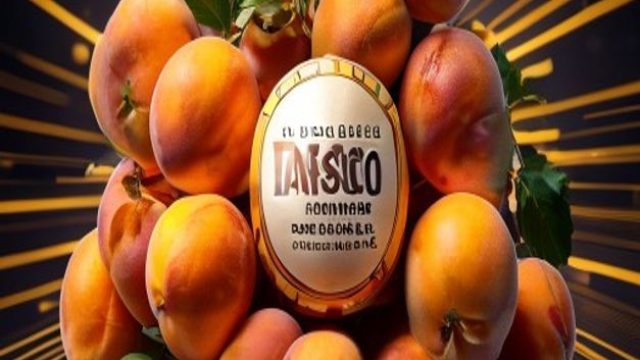
Armenian Apricots Make Their Debut in the EU Market
In a notable development, Armenian apricots have officially made their first appearance in the European Union's market, marking a significant milestone for both the agricultural sector and food enthusiasts. This event not only emphasizes the importance of diverse food sourcing but also highlights the cultural exchange fostered by international trade.
The Significance of Armenian Apricots
Renowned for their vibrant flavor and nutritional benefits, Armenian apricots have long been celebrated in local markets. Their entry into the EU reflects a growing recognition of the need for quality produce in an increasingly globalized food landscape.
Why Now? The Timing is Crucial
The timing of this introduction couldn't be more pertinent. As the EU faces challenges related to food security and the demand for high-quality, sustainable options rises, Armenian apricots provide an excellent solution. Their unique taste and health benefits can appeal to both consumers and chefs looking to enhance their culinary offerings.
A Rich History and Bright Future
Armenia boasts a rich agricultural heritage, especially when it comes to stone fruits. The apricot, a symbol of national pride, is not only delicious but also packed with vitamins A and C, dietary fiber, and antioxidants. With the EU's keen interest in promoting healthy diets, these apricots could soon become a staple in many households across Europe.
Market Introduction: What to Expect
The introduction of Armenian apricots into the EU market is expected to generate significant interest. Here’s what consumers and retailers can look forward to:
- Freshness and Quality: Imported directly from Armenia, these apricots are anticipated to maintain their quality, offering a fresh taste experience.
- Culinary Applications: Chefs across Europe are likely to experiment with these fruits in desserts, salads, and savory dishes, enhancing their menus with unique flavors.
- Nutritional Campaigns: Marketing efforts will likely focus on the health benefits of apricots, tapping into the growing trend of health-conscious eating.
Challenges Ahead
Despite the enthusiasm surrounding their arrival, the journey for Armenian apricots in the EU will not be without challenges. Import regulations, competition with local fruits, and consumer preferences will all play a critical role in determining the success of these fruits in European markets.
Conclusion: Embracing Diversity in Food Sourcing
The arrival of Armenian apricots in the EU is more than just a story about fruit; it's a representation of the broader trends in international trade and food security. By embracing diverse food sources, the EU can enhance its market offerings while addressing the nutritional needs of its population. As consumers become increasingly aware of the origins and benefits of their food, products like Armenian apricots will likely gain traction in the competitive landscape of European agriculture.
Stay tuned for further updates on market trends and food innovations as Bensico continues to explore the intersection of data security and the agricultural industry.